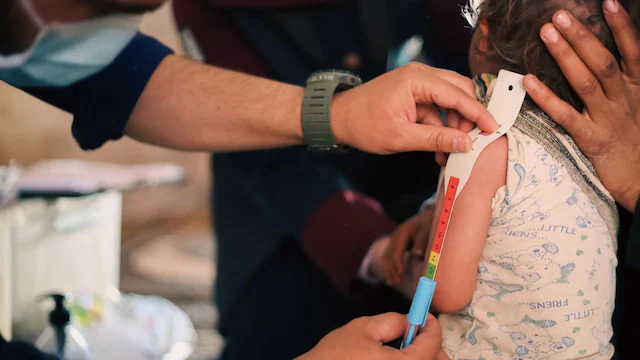
Poshan Tracker Spotlights India’s Tech-Driven Fight Against Malnutrition
India is harnessing digital tools to tackle malnutrition and promote preventive healthcare. At the forefront is the Poshan Tracker, a mobile-based platform introduced by the Ministry of Women and Child Development. With over 10 crore beneficiaries, it provides real-time monitoring of service delivery and child nutrition data across the country.
Tracking Growth and Malnutrition Hotspots
According to Dr. Richa Singh Pandey, a nutrition expert at UNICEF, the Poshan Tracker enables seamless monitoring of child growth through dynamic growth curves and BMI data from early pregnancy stages. This innovation has helped identify malnutrition hotspots, allowing more focused interventions.
The application also monitors Anganwadi centre operations, preschool attendance, and infrastructure conditions, helping the government optimize service delivery in real time.
A Smart Public Health Approach
India’s digital efforts represent a smart, comprehensive approach to nutrition. Alongside the Tracker, broader initiatives like Poshan Abhiyaan, enhanced social protection schemes, and strengthened health systems support improved outreach and service quality.
Yet, Pandey warns that gender disparities persist. Women are often the last to eat and consume the least, particularly during periods of economic or food stress.
Changing Food Trends in India
Recent nutrition trends show both progress and emerging risks. The 2022–23 Household Consumption Expenditure Survey revealed a shift in food spending:
– Decline in cereal consumption
– Rise in milk, fruits, eggs, fish, and meat spending
– Increase in ultra-processed food and beverage consumption in rural households, raising public health concerns
Obesity: The Next National Challenge
While tackling undernutrition, India is also bracing for an obesity epidemic. The government is emphasizing collective responsibility and has launched policy initiatives like:
– Taxation on high-fat, sugar, salt (HFSS) foods
– Regulating marketing of unhealthy foods
– Nutrition literacy among adolescents
– Front-of-pack nutrition labelling
– “Double duty” policies that address undernutrition and obesity together
Gender Differences in Diet
According to NFHS 2019–21, Indian dietary habits differ by gender:
– 52% of women eat leafy greens daily
– 50% of women consume pulses or beans daily
– 49% consume milk/curd daily
– Only 29% of women and 17% of men identify as vegetarians
Men are more likely to consume animal protein, while fruit intake remains low across the board.
Poshan Pakhwada 2025: Community for Nutrition
To foster awareness, Poshan Pakhwada 2025 kicks off today. This 15-day nationwide campaign focuses on:
– Nutrition for pregnant women, children, and adolescent girls
– Promoting healthy lifestyles to combat obesity
– Empowering marginalized communities
– Raising awareness about the Poshan Tracker’s beneficiary module
In its seventh year, Poshan Pakhwada continues to champion community-led nutrition improvements across India.